
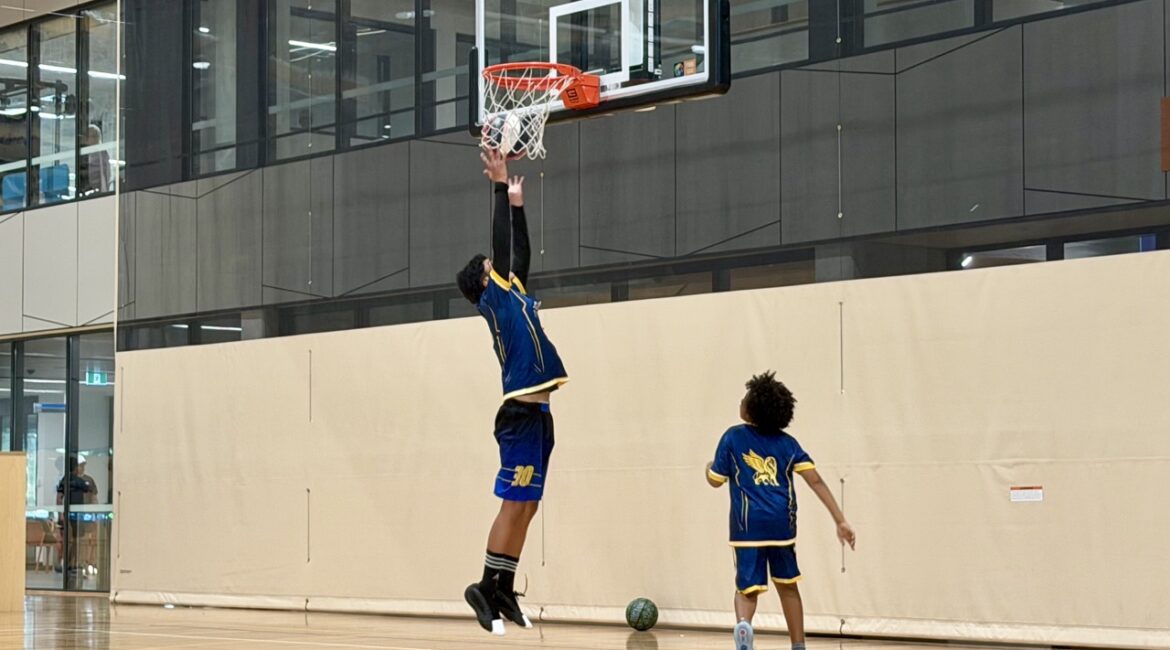
Shooting is a cornerstone skill in basketball, and its tactical mastery often separates good teams from great ones. For coaches, understanding and teaching the finer points of shooting transcends mechanics; it involves strategic planning for individual and team development. Below, we explore four key tactical aspects of shooting—shot generation, shot selection, shooting routines, and shot manipulation—and consider additional categories to refine your team’s approach.
Shot Generation: Create Shooting Opportunities
Definition: Shot generation refers to how players and teams create scoring opportunities. This includes the use of screens, spacing, offensive actions, and transition play to generate open or high-quality shots.
Strategic Planning:
- Player Development:
- Teach players to read defensive cues and exploit advantages (e.g., attacking gaps, cutting to open spaces).
- Incorporate drills like small-sided games to simulate game-like situations, emphasizing creativity in generating shots.
- Team Development:
- Design offensive systems with multiple layers of shot generation: off-ball movement (e.g., flares, curls), pick-and-roll actions, and kick-outs from drives.
- Emphasize spacing principles to ensure that players have room to operate and defenders cannot easily collapse.
- Analytics Integration:
- Use video and shot chart analysis to identify where and how players excel in generating shots and design plays to capitalize on these strengths.
Shot Selection: The Art of Shooting Wisely
Definition: Shot selection is about understanding and taking the most effective and efficient shots based on context, player skill, and team philosophy.
Strategic Planning:
- Player Development:
- Educate players on shot value through the lens of efficiency (e.g., understanding the importance of corner threes, finishing at the rim, and avoiding contested mid-range shots).
- Implement competitive shooting drills where players must decide whether to shoot, pass, or attack based on defensive pressure.
- Team Development:
- Develop a shot-selection hierarchy, defining who takes what shots and in what situations.
- Foster a culture of accountability by reviewing film to highlight both good and bad decisions.
- Live Scenarios:
- Simulate end-of-shot-clock situations and late-game scenarios where shot selection is critical, ensuring players are comfortable under pressure.
Shooting Routines: Building Consistency
Definition: Shooting routines refer to the habits and pre-shot processes players use to build rhythm, confidence, and consistency.
Strategic Planning:
- Player Development:
- Help players establish pre-game and in-game routines that include visualization, footwork, and a consistent shot release.
- Use repetition with variability, such as shooting from different angles and speeds, to build adaptability.
- Team Development:
- Incorporate structured shooting segments into practice plans, ensuring all players receive repetitions under game-like conditions.
- Develop free-throw routines that emphasize mental focus and physical consistency.
- Mental Conditioning:
- Teach mindfulness techniques to keep players focused and confident, especially after misses.
- Encourage players to embrace their routine as a tool to reset and stay composed in high-pressure moments.
Additional Categories to Consider in Shooting
To deepen your team’s tactical shooting approach, consider adding the following categories:
- Shooting Under Pressure: Developing a player’s ability to shoot effectively under defensive pressure or in high-stakes moments. Simulate game-pressure situations through time constraints, defensive challenges, or competitive drills.
- Range Development: Teaching players to expand their shooting range incrementally while maintaining form and accuracy. This is especially critical in modern basketball, where spacing is influenced by the ability to shoot from deep.
- Off-Ball Shooting: Improving a player’s ability to relocate and catch-and-shoot effectively. This requires teaching footwork (e.g., hop or 1-2 step) and reading defensive rotations.
- Shooting Off the Dribble: Developing pull-up jumpers, step-backs, and side-steps for players who are creators within the offense. This adds versatility to a team’s scoring options.
Conclusion: Building a Holistic Shooting Philosophy
As a coach, tactical shooting mastery requires a multi-faceted approach that intertwines individual skill development with team strategy. Prioritize teaching players to generate and select quality shots, establish consistent routines, and use manipulation techniques to create scoring opportunities. By incorporating these aspects into your coaching philosophy, you’ll elevate your players’ effectiveness and create a team that is dynamic, efficient, and difficult to defend.
Invest time in planning drills and scenarios that replicate game conditions, and consistently emphasize the importance of decision-making and adaptability. When players understand the “why” behind their actions, their tactical growth will translate to on-court success.